


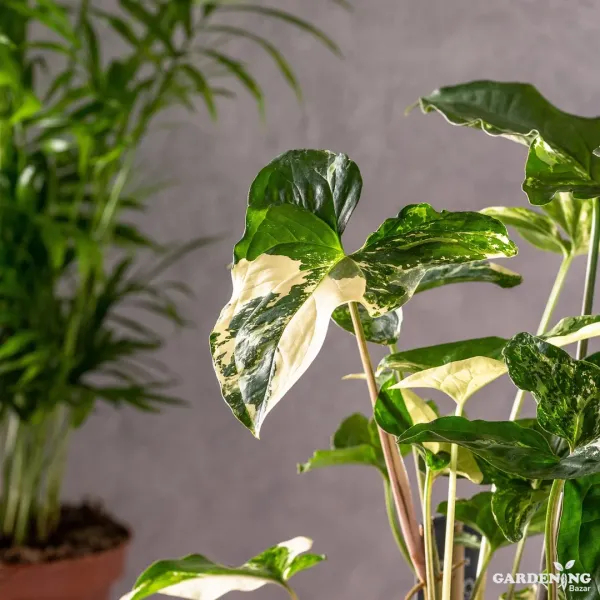
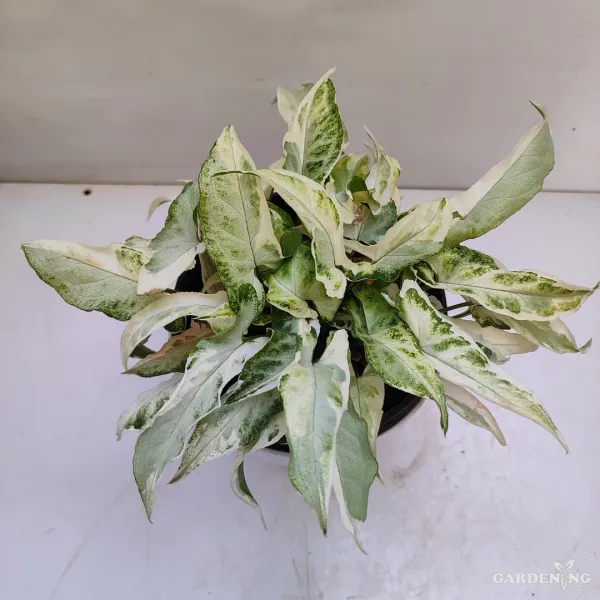
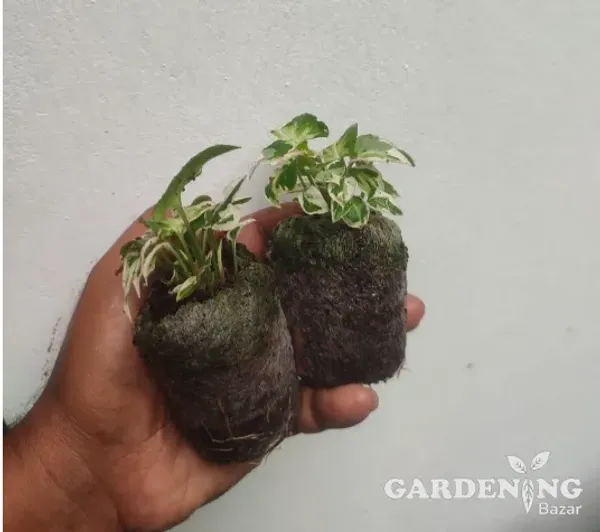
Syngonium Narrow Verigated
By The Foliage StoreN/A
Save 300 Rupees
₹ 199
₹ 499.00 60% offThis item is not active. Get notified when it comes active
Product Description
Elevate your indoor greenery with the captivating Syngonium plant, also known as the arrowhead vine. Renowned for its lush foliage and effortless maintenance, this tropical beauty adds a touch of elegance to any space. Featuring arrow-shaped leaves in vibrant shades of green with striking white or cream-colored veins, the Syngonium thrives in bright, indirect light and requires only minimal watering. Perfect for hanging baskets, shelves, or as a trailing accent, this versatile plant brings natural charm to your home or office. Discover the beauty of Syngonium and elevate your décor effortlessly.
Additional Details
| Leaves | Syngonium plants are characterized by their arrow-shaped leaves, which come in various shades of green, often with striking patterns of white or cream-colored veins. As the plant matures, the leaves may develop different shapes and colors, adding to their visual appeal. |
| Soil | Syngonium plants thrive in well-draining, aerated potting mixtures. A mixture of peat moss, perlite, and potting soil in equal parts is ideal for providing the necessary nutrients and drainage. |
| Watering | These plants prefer consistently moist soil. Allow the top inch of soil to dry out between waterings, and avoid overwatering to prevent root rot. |
| Temperature and Humidity | Syngoniums prefer temperatures between 60°F to 75°F (15°C to 24°C). Avoid exposing them to cold drafts or extreme temperature fluctuations. |
| Fertilizing | Feed Syngonium plants with a balanced liquid fertilizer diluted to half-strength during the growing season (spring and summer). Apply fertilizer every four to six weeks to support healthy growth. Reduce fertilization frequency during the fall and winter months when growth slows down. |
| Pruning | Regular pruning promotes bushier growth and maintains the plant's desired shape. Remove leggy or yellowing stems to encourage new growth. |
| Pests and diseases | Syngoniums are relatively pest-resistant but may occasionally be affected by spider mites or aphids. Treat infestations promptly with insecticidal soap or neem oil. Ensure good air circulation around the plant to prevent fungal diseases. |
| Leaf Care | Wipe the leaves with a damp cloth regularly to remove dust and keep them clean. Trim yellow or damaged leaves to maintain the plant's appearance. |
| Container type |
Questions
Have doubts regarding this product?
Similar Products